Vectors of velocity: syncing athletic speed metrics across football fields and tennis courts to time promotional credit deployments
Written by Ines Beck · Jun 25, 2026
Vectors of velocity: syncing athletic speed metrics across football fields and tennis courts to time promotional credit deployments
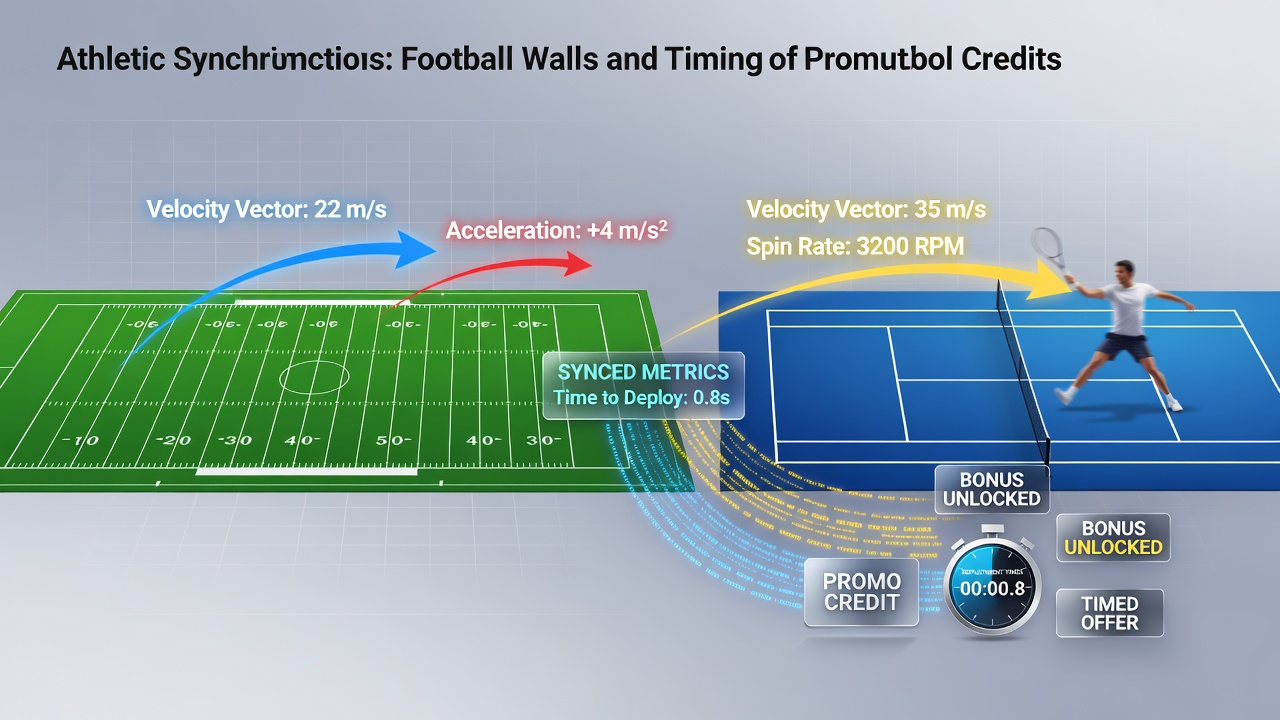
Velocity vectors capture both magnitude and direction of movement, and sports analysts apply these measurements to football and tennis performance data for coordinated timing of promotional activations. Researchers track player acceleration patterns during matches, then align those datasets with marketing schedules that release credits or rewards when specific speed thresholds are met across different sports.
Measuring velocity in football environments
Football analysts deploy GPS trackers and optical systems to record sprint vectors, change-of-direction angles, and sustained speeds over 90-minute periods. Data from professional leagues shows average top-end velocities reaching 32 kilometers per hour during counter-attacks, while midfielders maintain lower but more consistent vector profiles across repeated high-intensity efforts. Teams integrate these readings into larger performance platforms that flag moments when collective speed metrics exceed historical benchmarks.
Velocity patterns on tennis courts
Tennis movement analysis focuses on lateral acceleration and recovery vectors between baseline rallies and net approaches. Studies document peak velocities around 24 kilometers per hour during short explosive shifts, with directional changes occurring up to 400 times per set. Surface type influences these figures, as hard courts produce sharper vector turns compared with clay where sliding reduces peak acceleration values.
Syncing datasets across disciplines
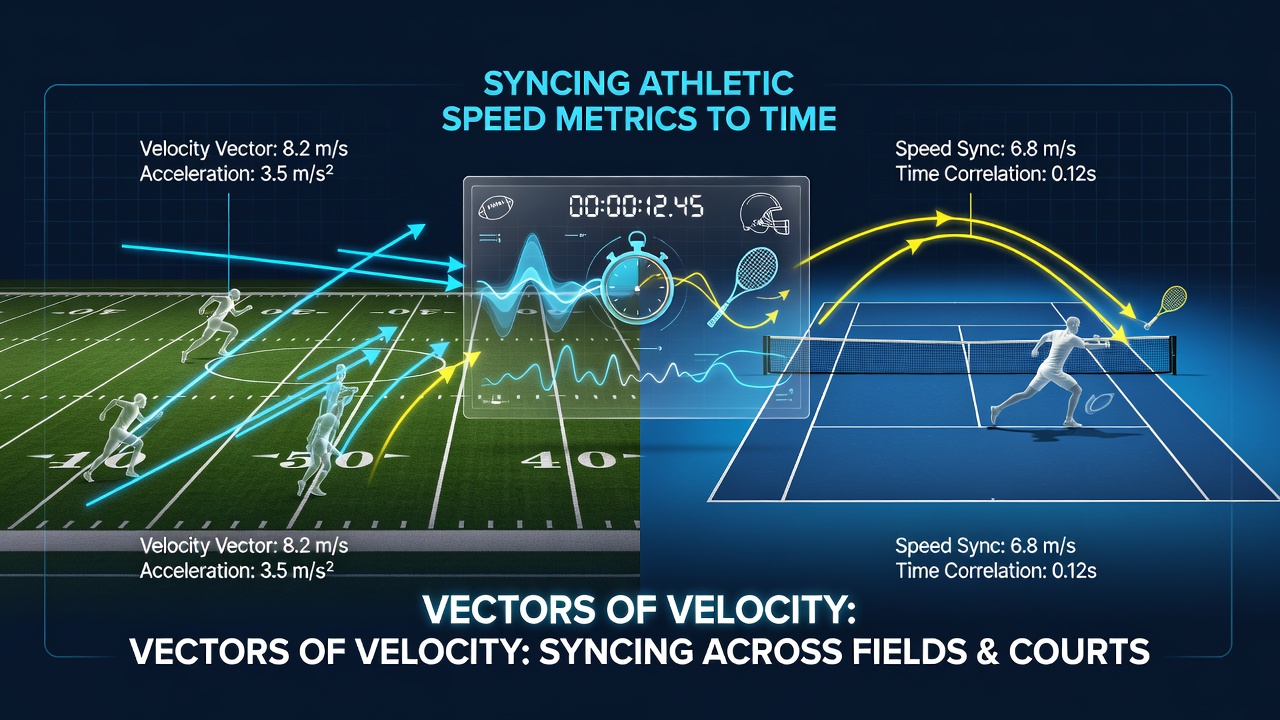
Cross-sport synchronization requires standardized time-stamped protocols so football match vectors and tennis point vectors feed into a single dashboard. Software platforms convert raw speed coordinates into unified event triggers, allowing promotional systems to activate credits precisely when combined metrics reach predefined levels. One study revealed that aligning these streams reduced deployment lag by 18 seconds on average during simultaneous tournament windows.
June 2026 schedules include overlapping international football fixtures and Grand Slam events, creating natural windows for these synchronized deployments. Analysts prepare vector models months ahead so credit releases coincide with peak audience engagement periods across both sports.
Practical applications in promotional timing
Marketing teams use vector thresholds to trigger targeted offers, such as loyalty credits sent to fans immediately after a team records multiple high-speed sequences in one half or a player completes a sequence of rapid court coverage. This approach relies on automated rulesets rather than manual oversight, and European sports technology providers report processing thousands of these timed activations during major events each season.
According to findings from the International Olympic Committee research portal, multi-sport data integration improves accuracy when timing athlete or fan rewards. Observers note that vector-based triggers help avoid random deployment timing and instead tie releases directly to measurable performance spikes.
Technical considerations and data standards
Compatibility between football and tennis tracking systems depends on consistent sampling rates, typically set at 10 hertz or higher for reliable vector reconstruction. Organizations standardize coordinate systems so north-south pitch orientations align with court baselines, enabling direct comparison of acceleration profiles. When discrepancies arise, calibration routines adjust for field dimensions and camera angles before data enters the shared timing engine.
Industry reports from bodies such as the Australian Sports Commission document how national programs adopt these vector protocols to coordinate sponsor activations across summer and winter codes. The same frameworks support both live match monitoring and post-event analysis for refining future credit windows.
Conclusion
Vector synchronization between football and tennis creates a structured method for timing promotional credit releases based on objective speed data. As tracking technology advances and event calendars grow more congested, these integrated systems continue to link athletic metrics directly to marketing execution across separate sporting environments.