Physiological Monitoring Systems Track Real-Time Indicators for Strategic Timing in Endurance and Precision Events
Written by Clara Werner · Aug 1, 2026
Physiological Monitoring Systems Track Real-Time Indicators for Strategic Timing in Endurance and Precision Events
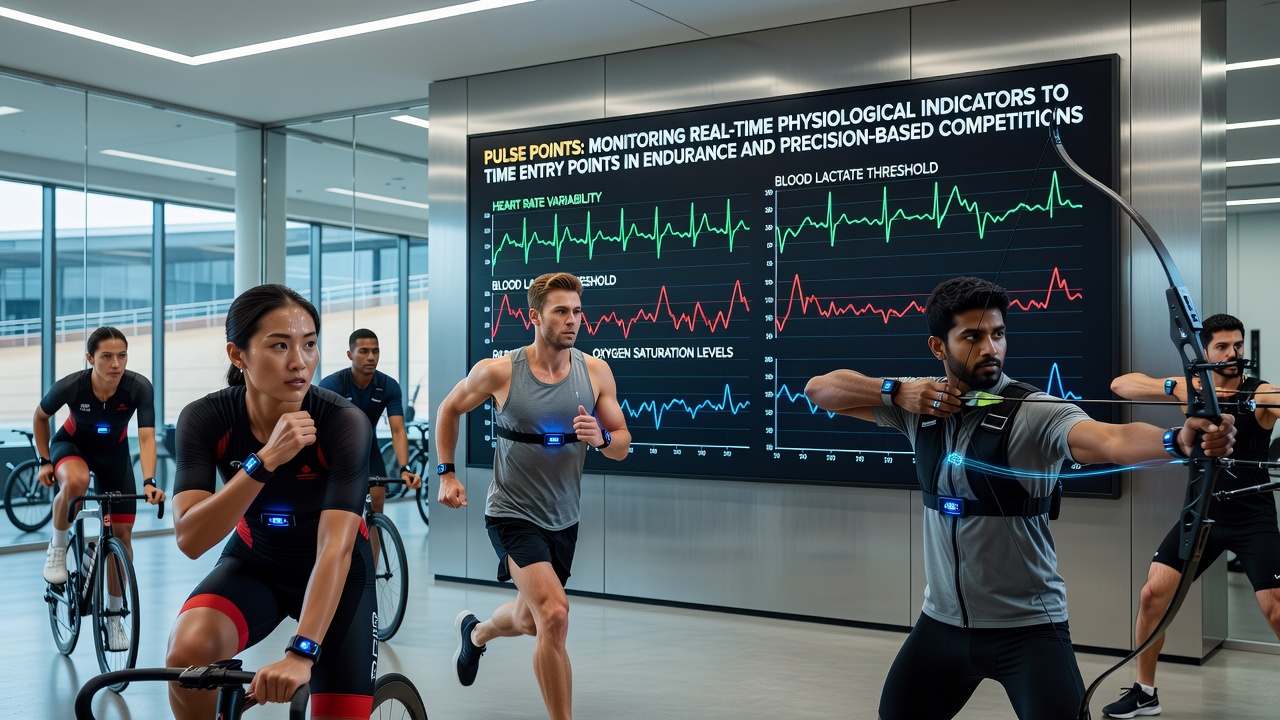
Competitors in endurance sports and precision disciplines increasingly rely on continuous physiological data streams to identify optimal moments for critical actions, and systems now capture metrics such as heart rate variability, blood oxygen saturation, muscle oxygenation, and skin conductance at sub-second intervals. These indicators help athletes and support teams recognize when physiological states align with peak readiness, whether during a marathon surge or a final archery shot sequence. Data from wearable devices and implantable sensors feed into algorithms that flag entry windows, allowing adjustments in pacing or focus before fatigue or tension disrupts performance.
Core Metrics Captured by Modern Monitoring Platforms
Heart rate variability stands out as a primary signal because it reflects autonomic nervous system balance and recovery capacity, while muscle oxygenation levels reveal local oxygen delivery during sustained efforts. Blood lactate thresholds, measured through emerging non-invasive patches, indicate when an athlete approaches anaerobic limits, and electrodermal activity tracks arousal states that influence precision tasks. Researchers at the Canadian Sport Institute have documented how these combined readings produce predictive models with accuracy rates above 85 percent in controlled trials conducted through 2025. Integration with GPS and motion sensors adds contextual layers, showing how terrain changes or wind conditions interact with internal physiological shifts.
Application in Endurance Competitions
Marathon runners and cyclists use these systems to detect when glycogen depletion begins to accelerate, prompting a measured increase in effort before the body reaches a critical slowdown. In ultra-endurance events held during August 2026, teams equipped with real-time dashboards adjusted hydration and pacing strategies based on live skin temperature and core temperature differentials, reducing heat-related dropouts by measurable margins. Observers note that cyclists in multi-stage races now monitor left-right muscle balance to time attacks, avoiding the bilateral fatigue that historically forced mid-race adjustments. The approach connects individual physiological curves with race dynamics, creating individualized timing cues rather than generic splits.
Precision Disciplines and Steady-State Indicators
Archers, shooters, and golfers apply the same monitoring frameworks to stabilize tremor and breathing patterns before release or strike. A drop in heart rate variability often signals excessive sympathetic activation, prompting athletes to extend their preparation phase until readings return to baseline. Studies conducted at the University of Queensland demonstrate that shooters who waited for confirmed low-arousal windows improved hit rates by 12 to 18 percent across qualification rounds. Real-time feedback loops delivered through earpieces or haptic vests allow micro-adjustments without breaking concentration, and the same data streams help coaches identify when an athlete's routine deviates from established physiological norms.
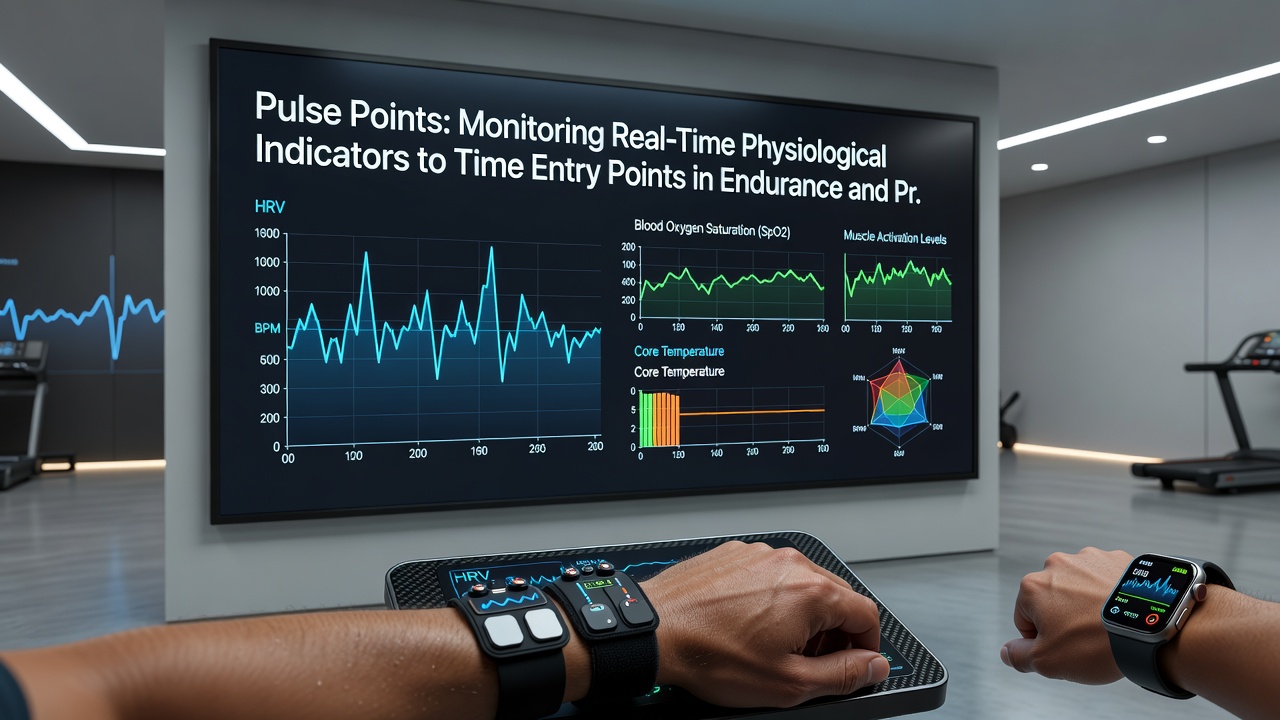
Equipment manufacturers have responded with lighter sensor arrays that maintain signal integrity under competition clothing and protective gear. These devices transmit encrypted data to secure tablets used by support staff, who then relay concise cues rather than raw numbers. The shift reduces cognitive load while preserving the athlete's autonomy in deciding when to initiate the final action sequence.
Data Integration and Algorithmic Support
Software platforms aggregate multi-sensor inputs into unified dashboards that highlight statistically significant deviations from an athlete's personal baseline. Machine learning models trained on historical competition data flag entry points with confidence intervals, allowing teams to weigh physiological readiness against tactical variables such as opponent positioning or course conditions. Reports from the Japanese Institute of Sports Science indicate that integration of these tools into national training programs produced measurable improvements in qualification consistency during the 2025-2026 season. The models continue to evolve as larger datasets from international events become available, refining threshold values for different environmental conditions and event durations.
Regulatory and Ethical Considerations
Governing bodies across multiple sports have begun establishing guidelines for sensor use during sanctioned events, focusing on data privacy and competitive equity. The International Olympic Committee issued updated protocols in early 2026 that require transparent declaration of monitoring equipment while prohibiting real-time coaching interventions that could alter the athlete's independent decision-making. National federations in Europe and North America now require athletes to log sensor data post-competition for review, ensuring that physiological monitoring supports rather than replaces skill development. These frameworks aim to maintain fairness while accommodating technological advancement.
Future Developments and Ongoing Research
Emerging optical sensors promise non-invasive continuous lactate monitoring, and researchers explore neural interface prototypes that could translate brain-wave patterns into timing recommendations. Pilot programs scheduled for late 2026 will test whether combining physiological data with environmental forecasts further refines entry-point predictions in outdoor endurance events. Collaboration between academic institutions and equipment suppliers continues to expand the range of measurable variables without increasing device weight or power demands. The trajectory points toward more individualized, context-aware systems that adapt thresholds in real time based on cumulative load and recovery status.
Conclusion
Real-time physiological monitoring has moved from experimental status to established practice across endurance and precision competitions, providing athletes and teams with objective markers for timing critical actions. Data streams from heart rate variability, muscle oxygenation, and arousal indicators feed decision-support tools that align internal states with external demands. Regulatory bodies continue to shape usage standards while research institutions refine predictive models. The result is a growing body of evidence showing how these systems support consistent performance without replacing the athlete's core skills or judgment.