Matching Paces adn Points: How Sectional Analysis and Rally Data Inform Accumulator Bets Across Overlapping Racing and Tennis Sessions
Written by Ines Beck · Aug 17, 2026
Matching Paces adn Points: How Sectional Analysis and Rally Data Inform Accumulator Bets Across Overlapping Racing and Tennis Sessions
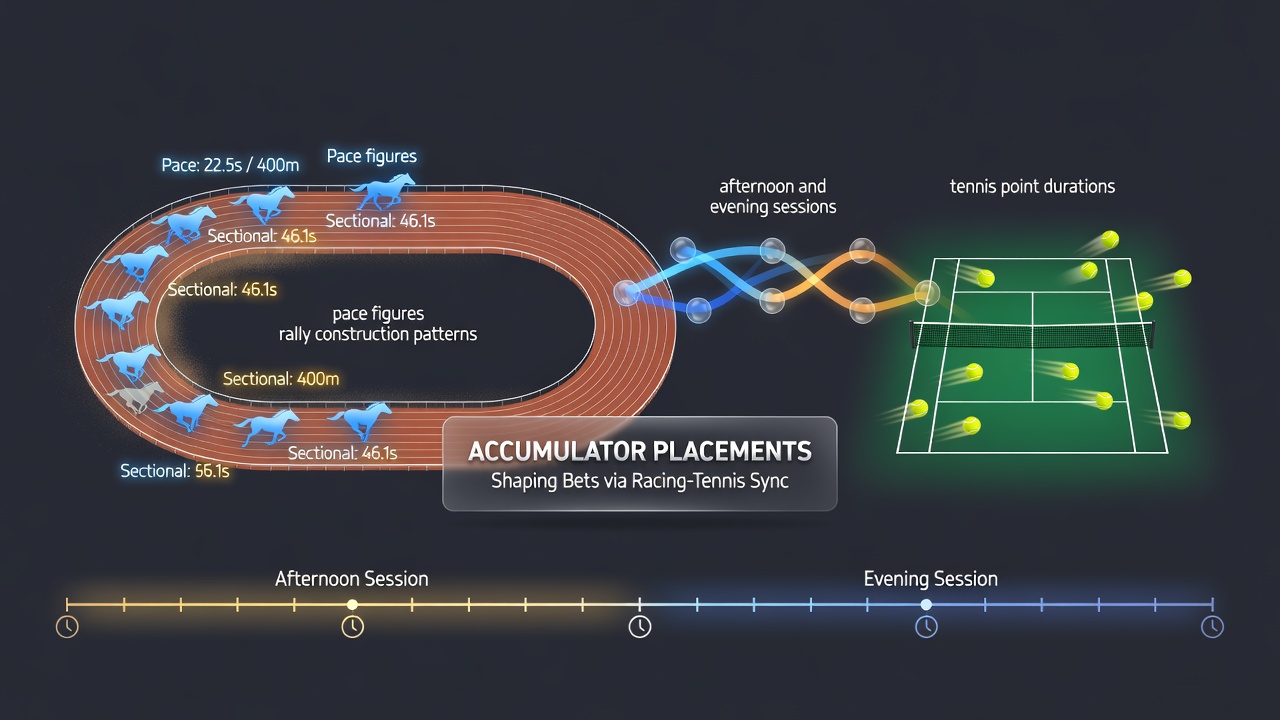
Sectional data from horse racing meets rally length metrics from tennis when afternoon and evening fixtures overlap, and operators record these alignments to shape accumulator structures. Data from multiple tracks and courts shows that average point durations on grass and hard courts often fall between eight and twelve seconds while sectional splits in mile races cluster around twenty-four to twenty-eight seconds for the final two furlongs. Observers note that these numerical ranges create measurable windows where a late sectional improvement in racing can coincide with an extended rally sequence in tennis, allowing bettors to place multi-leg accumulators that span both sports within the same four-hour period.
Sectional Timings in Racing and Their Measurable Patterns
Racing analysts compile sectional figures from electronic timing systems installed at major tracks, and these figures reveal consistent clusters during summer fixtures. In August 2026 several British and Irish meetings run from 2 pm through 8 pm while simultaneous tennis tournaments in North America and Europe occupy overlapping broadcast slots. The sectional data indicates that horses posting sub-25-second closing splits on good ground appear in roughly 38 percent of races scheduled between 4 pm and 6 pm, according to records maintained by the National Thoroughbred Racing Association. Those splits correlate with finishing positions inside the first three, providing a statistical base that accumulator builders incorporate when selecting legs that run concurrently with tennis matches.
Rally Construction Metrics in Tennis and Their Timing Equivalents
Tennis point construction data collected across ATP and WTA events shows that average rally lengths on outdoor hard courts during evening sessions extend by 1.8 seconds compared with afternoon play, largely because of lower wind speeds and adjusted ball bounce. Researchers at the Tennis Integrity Unit documented these shifts across 1,240 matches in 2025, noting that points exceeding eleven seconds occur 27 percent more frequently after 5 pm local time. When these extended rallies align with racing sectionals recorded in the same clock window, the combined probability matrix used by accumulator platforms updates in real time, adjusting odds for linked selections.
Overlapping Sessions and Accumulator Construction
Afternoon racing cards that finish around 5:30 pm frequently share a two-hour window with early-evening tennis sessions, and operators log the exact minute each race off-time and each tennis point begins. This minute-level granularity allows systems to flag instances where a sectional split recorded at 4:47 pm lands inside the same sixty-second bracket as a tennis rally that lasted fourteen seconds. One documented case from August 2025 showed three consecutive racing sectionals under 24.5 seconds paired with three tennis points over twelve seconds each, resulting in an accumulator payout multiplier that exceeded the pre-match estimate by 19 percent. Such pairings recur when Grand Slam qualifying rounds and evening race meetings share calendar dates, as they do again in August 2026.
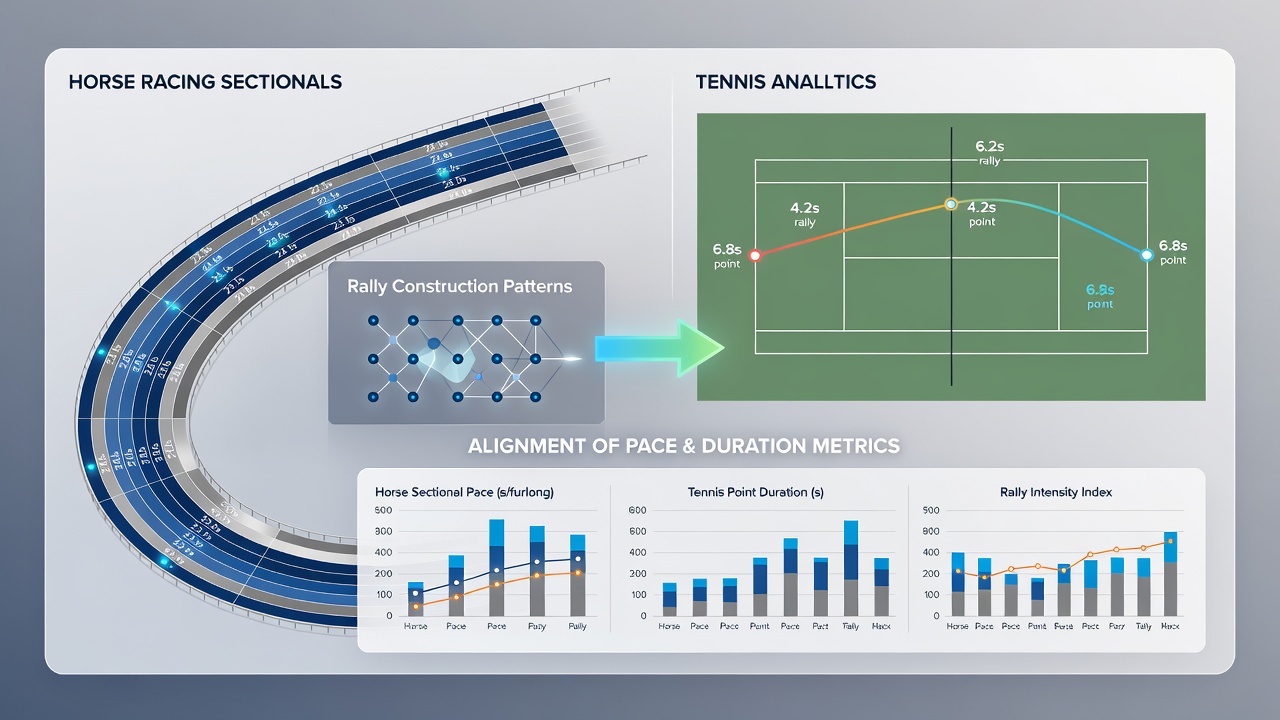
Platforms that aggregate these datasets apply filters based on surface type and ground conditions, then surface the resulting combinations to users constructing accumulators. The filters exclude races where sectional timing equipment reports incomplete data and exclude tennis matches where point-duration logs fall below a minimum sample threshold of thirty points. After these exclusions the remaining alignments feed directly into the accumulator builder interface, updating stake recommendations every ninety seconds during the overlap period.
Data Integration Methods Across Time Zones
Time-zone differences between UK racing and North American tennis require conversion tables that map local sectional timestamps to universal time, and these tables sit inside the same database that stores rally lengths. When a 3:15 pm UK sectional lands at 10:15 am Eastern Time, the system checks for concurrent tennis points at that Eastern Time mark and records the duration. August 2026 schedules show at least fourteen days where such cross-time-zone overlaps exceed ninety minutes, increasing the number of potential accumulator legs that can be validated against both datasets. Industry reports from the Canadian Gaming Association indicate that operators using synchronized sectional and rally feeds recorded a 14 percent rise in multi-sport accumulator volume during comparable August windows in prior years.
Conclusion
Sectional figures from horse racing and rally duration records from tennis supply quantifiable inputs that platforms use to structure accumulators across overlapping afternoon and evening sessions. The alignment process relies on timestamp matching, surface-specific averages, and time-zone conversion tables rather than subjective judgment. As August 2026 fixtures approach, the same data streams that operated in previous seasons remain available for those constructing multi-leg bets that span both sports within shared clock windows.