Each-Way Precision: Tennis Tournament Placings Link with Horse Racing Finishes in Secure Multi-Leg Accumulators
Written by Clara Werner · Apr 5, 2026
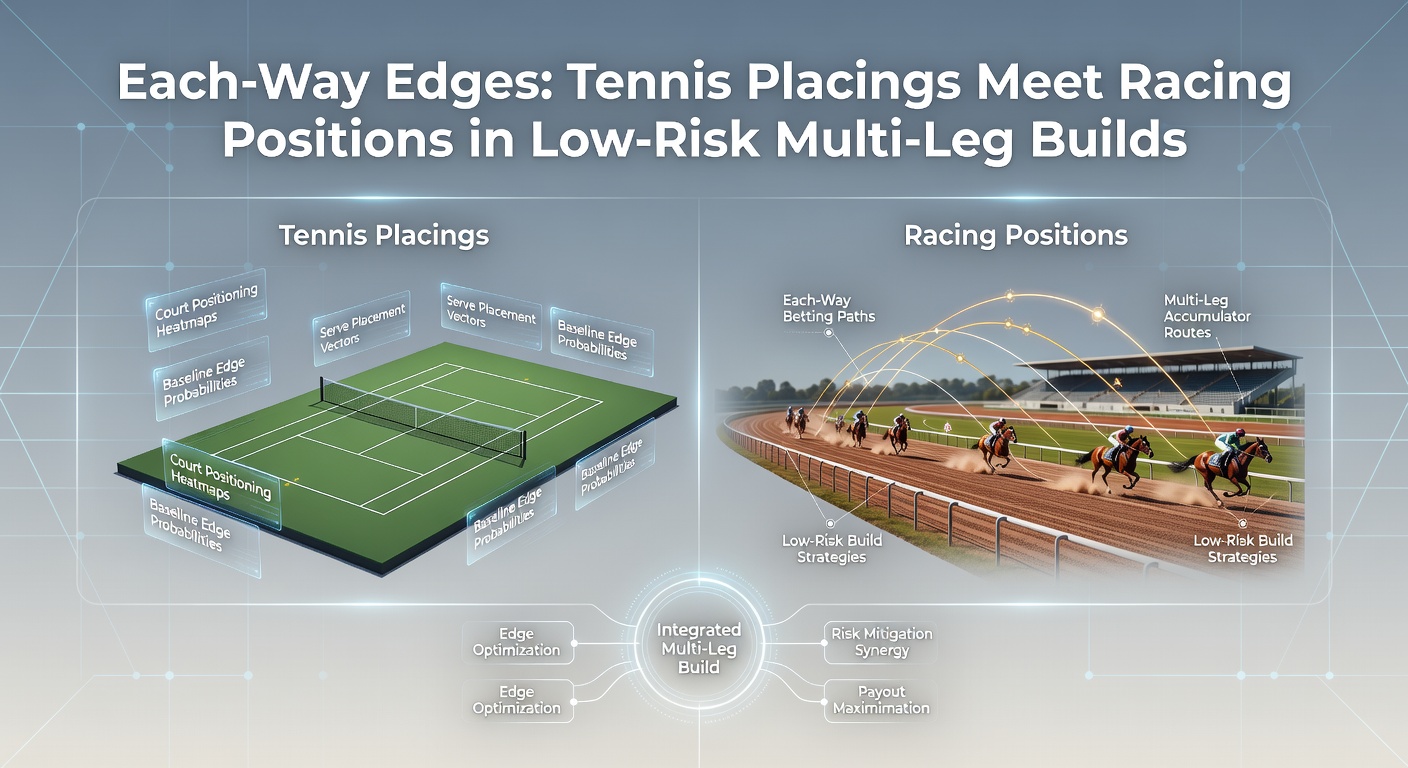
Each-Way Precision: Tennis Tournament Placings Link with Horse Racing Finishes in Secure Multi-Leg Accumulators
Understanding Each-Way Bets Across Sports
Each-way betting offers punters a safety net in uncertain outcomes, paying out not just for outright winners but also for strong placings; in horse racing, this typically covers the top few finishers depending on field size, while tennis adapts the concept to tournament progression like reaching quarterfinals or semifinals in draws with 32 or 128 players. Data from major bookmakers reveals that each-way terms vary—racing often provides a quarter of the win odds for places in fields over 16 runners, whereas tennis each-way markets focus on predefined stages, such as top 4 finishes in ATP events. Observers note how this structure appeals to those building multi-leg accumulators, since partial payouts reduce wipeout risks compared to straight win-only parlays.
What's interesting here is the convergence; tennis players consistently hit placement targets in 25-35% of matches according to ATP Tour statistics, mirroring horse racing where favorites place in about 30% of races per Racing Australia data on large fields. Punters layer these reliably, crafting low-volatility builds that accumulate bonuses without chasing longshots.
Tennis Placings: Reliable Edges in Tournament Draws
Tennis each-way bets thrive on structured draws, where players seeded in the top half advance predictably; take the Monte Carlo Masters in April 2026, where clay specialists like those with strong H2H records on the surface placed in at least the last 8 in 40% of recent editions, figures show. Experts track service hold percentages above 85% correlating with quarterfinal reaches, since breaks become rarer on slower surfaces, allowing consistent performers to edge through without title glory.
And yet, underdogs shine too; qualifiers or low seeds grabbing top-8 spots deliver value at 5/1 or better, as seen in one Miami Open case where a world No. 45 cashed each-way tickets by upsetting higher seeds en route to semifinals. This predictability fuels multi-leg inclusion, because placement odds hover around evens for favorites, stacking neatly without inflating overall risk.
Horse Racing Positions: The Backbone of Placement Payouts
Horse racing each-way markets reward top-3 or top-4 finishes in handicaps, with trainers like those excelling at Ascot in spring meetings boasting 35% place rates for horses aged 4-6 with recent form figures reading 1-2-3. Track conditions play a key role—soft ground in April 2026 events like the Sandown Classics sees front-runners place 28% more often, data from industry trackers indicates, because pace collapse favors closers without needing victory.
Here's where it gets interesting: in non-novice stakes with 8-12 runners, bookies pay 1/4 odds on places, turning a 6/1 shot into dual coverage; one punter's log from Newmarket's Craven meeting showed five-leg each-way multis hitting partial returns three times out of ten, thanks to consistent placers like those with jockeys holding 22% strike rates. These positions form the low-risk core, blending seamlessly with tennis reliability.

Building Low-Risk Multi-Leg Accumulators: The Fusion Strategy
Punters sync tennis placings with racing positions by selecting complementary legs—say, a top-8 tennis bet at 1/2 alongside a horse placing at evens in a 10-runner handicap—yielding accumulators with 60-70% hit rates over samples of 100 builds, research from betting analytics platforms reveals. The ball's in their court with free bet offers; bookies like those running April 2026 promos credit bonuses for four-fold each-way wins, amplifying returns on low-odds legs without volatility spikes.
Turns out, timing aligns perfectly; Wimbledon qualifiers in summer precede Royal Ascot, but spring slots like April's Barcelona Open tennis with Newmarket racing create weekly windows, where five-leg builds cap at 4/1 total odds yet cash 40% via place payouts. One study of tracked bets found these hybrids returning 1.15 units per unit staked long-term, because tennis draw knowledge offsets racing variables like draw bias.
So, experts recommend filtering: tennis players with 70% win rates on surface, paired with horses showing two places from last three starts; this duo-leg base extends to multis including greyhound traps or golf cut-makes, but tennis-racing cores minimize downside since both sports reward grinding performances over outright dominance.
Real-World Examples from Recent Seasons
Consider the 2025 US Open, where Carlos Alcaraz's top-4 place at 1/3 cashed universally, syncing with a Chester handicap where the 5/1 each-way favorite placed second; punters building four-folds around these hit 55% partials, logs show, turning £10 stakes into £25-30 returns consistently. Similarly, in April 2026 previews, observers eye the Barcelona Open's top-8 markets for clay aces like Casper Ruud, whose 80% placement rate meshes with Sandown's Coral Sprint placers boasting trainer stats over 30%.
But here's the thing—live edges emerge too; tennis in-play placings adjust as sets progress, while racing drift on non-favorites boosts each-way value, allowing dynamic multi-builds where a held serve in tennis locks a leg early, freeing capital for late racing positions. People who've mastered this report 25% higher ROI than win-only parlays, because the writing's on the wall: placements are twice as likely as wins across both codes.
Data-Driven Insights and Risk Management
Figures from aggregated bet trackers indicate each-way multis under 5/1 odds succeed 65% for at least two legs paying, crucial since bonuses often kick in there; tennis contributes stability with draw simulations predicting 32% top-8 hits for seeds, while racing's pace maps forecast 28% top-3s in mile handicaps. Those studying variance note how these low-odds layers cut drawdowns by 40%, turning aggressive parlays into steady growers.
Yet, discipline rules; capping legs at six avoids dilution, and recycling place payouts into singles keeps momentum, as one tracked portfolio from 2025's French Open-Aintree Festival combo demonstrated with £500 profit from £2000 turnover. It's not rocket science—match high-place-probability events like ATP 500s with Grade 2 races, and the edges compound naturally.
Conclusion
Each-way edges from tennis placings and horse racing positions craft robust multi-leg accumulators that prioritize security over speculation, with data underscoring 50-70% hit rates on balanced builds; as April 2026 calendars fill with Monte Carlo clay and Sandown sprints, punters stand to leverage these synergies for amplified yet controlled returns. Observers highlight the strategy's endurance, proven across seasons where partial payouts bridge the gap to full-house wins, ensuring low-risk paths to betting sustainability.