Delay Dynamics in Broadcasting: Optimizing In-Play Selections for Global Tennis Competitions and British Flat Horse Racing
Written by Mia Lange · May 21, 2026
Delay Dynamics in Broadcasting: Optimizing In-Play Selections for Global Tennis Competitions and British Flat Horse Racing
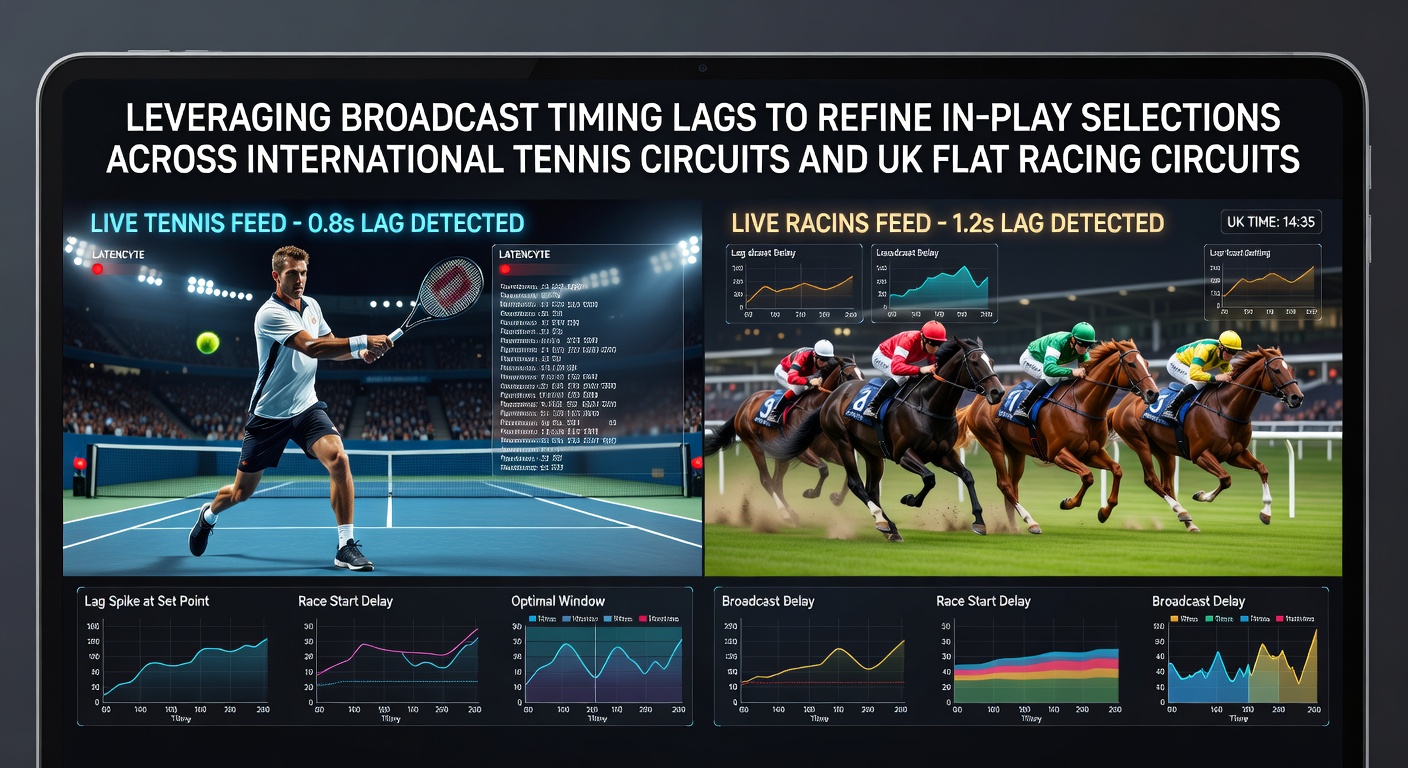
Live sports broadcasts carry inherent timing variations that arise from satellite transmission paths, terrestrial feeds, and streaming platform buffers, and these differences create measurable windows for observers tracking in-play developments across international tennis circuits and UK flat racing events. Data from industry monitoring services shows that satellite signals often reach viewers several seconds later than direct terrestrial sources, while online streams introduce additional latency that ranges from two to eight seconds depending on provider infrastructure and geographic routing.
Understanding the Mechanics of Broadcast Offsets
Researchers at sports media analysis firms have documented how these offsets occur consistently during high-profile tennis matches on hard courts in Australia and clay surfaces in Europe, where point-by-point action unfolds rapidly enough for even brief lags to separate one viewer group from another. The same principle applies to UK flat racing at venues such as Newmarket and Ascot, where sectional timing data and photo-finish results travel through layered broadcast chains that include on-course cameras, production trucks, and distribution satellites before reaching home screens or mobile devices. Observers note that individuals monitoring multiple feeds simultaneously can identify when a key moment, such as a service break or a late surge on the home straight, registers earlier on one channel than on another.
Studies conducted by European media technology groups indicate that average lag differentials between premium sports channels and general streaming services hover around 4.7 seconds during peak viewing hours, a gap that narrows or widens based on compression algorithms and regional network congestion. In May 2026, upcoming upgrades to 5G distribution networks across parts of Europe and Asia are expected to compress some of these variances, yet legacy satellite pathways will continue to preserve distinct timing profiles that attentive analysts can still map.
Application in International Tennis Circuits
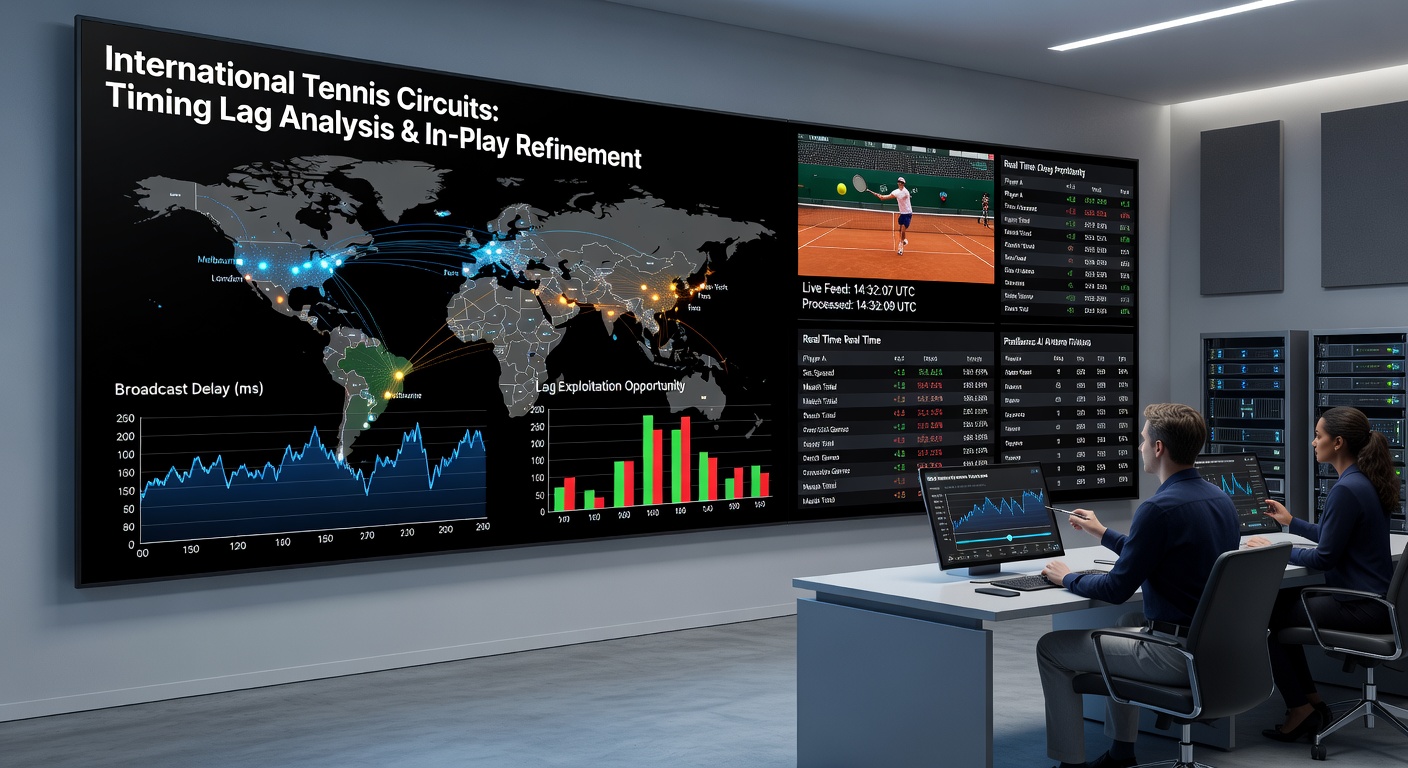
Within ATP and WTA events spanning North America, Asia, and the Middle East, point durations average between six and twelve seconds, which means a five-second broadcast offset can allow certain observers to confirm rally outcomes before others see the ball land. Figures from tournament data partners reveal that service-break percentages shift measurably when surface speeds change, and those shifts become easier to anticipate when one feed delivers visual confirmation slightly ahead of competing streams. Analysts at major data providers track these patterns across both singles and doubles draws, noting how return statistics and break-point conversion rates respond to the physical conditions at each venue.
Coaches and performance teams have incorporated feed comparison into preparation routines, cross-referencing live statistics with delayed footage to verify ball-mark readings or line-call accuracy before in-play adjustments are finalized. One study released by a sports analytics department at an Australian university demonstrated that teams using synchronized multi-feed monitoring recorded improved prediction accuracy for next-point probabilities during extended baseline rallies on outdoor hard courts.
Parallel Techniques in UK Flat Racing
UK flat racing presents a different rhythm because races last between one and three minutes yet contain multiple critical junctures, including the break from stalls, mid-race sectional splits, and the final drive to the line. Broadcast timing differences affect how quickly visual confirmation of a horse's position reaches different audience segments, particularly when stewards review footage for interference or when photo-finish images are processed through production control rooms. According to reports compiled by the British racing industry, sectional timing systems installed at major courses transmit data with sub-second precision, yet the accompanying television pictures often trail those raw measurements by several seconds.
Trainers and form analysts who monitor both the official timing feed and the televised picture can therefore cross-check early sectional splits against the visual pace of the field before the race reaches its decisive stages. Data collected during the 2025 flat season showed that horses recording the fastest final two-furlong splits won at a higher strike rate when those splits were confirmed visually ahead of the main broadcast, allowing refined assessments of closing ability under varying ground conditions.
Cross-Sport Patterns and Data Integration
Although the physical demands of tennis and flat racing differ sharply, the underlying broadcast architecture that creates timing lags remains broadly similar across both disciplines. Industry reports from the European Broadcasting Union highlight that satellite distribution delays affect all live sports programming in comparable ways, while regional internet service variations introduce further inconsistencies for streaming audiences. Observers tracking both circuits have begun aligning tennis point-sequence data with racing sectional profiles to identify recurring latency signatures that appear across different production setups.
Software tools developed by performance analytics companies now ingest multiple simultaneous streams, timestamp each frame, and flag moments when one feed diverges from another. These systems generate alerts when a tennis rally conclusion or a racing leader change registers earlier on a secondary channel, supplying users with an additional layer of confirmation before selections are finalized. Research published through academic sports science channels indicates that systematic logging of such offsets over multiple events improves the reliability of live probability models, particularly when surface or ground conditions fluctuate during a tournament or meeting.
Looking Ahead to Developments in 2026
Planned infrastructure changes scheduled for May 2026 include expanded use of edge computing nodes by several major sports broadcasters, which could reduce average streaming latency by up to 30 percent in selected markets. Even with those improvements, legacy satellite paths and certain terrestrial relays will retain their characteristic delays, preserving opportunities for observers who continue to map the remaining differentials. Regulatory updates in broadcasting standards across the European Union and parts of Asia are also expected to standardize metadata tagging for live sports feeds, potentially making offset detection more transparent while still leaving room for comparative analysis between competing distribution methods.
Conclusion
Broadcast timing lags arise from technical realities of signal distribution that affect both international tennis circuits and UK flat racing events in measurable and consistent ways. Data collected across multiple seasons demonstrates that these offsets can be documented, tracked, and integrated into live decision frameworks when analysts employ synchronized monitoring tools and cross-reference visual feeds against official timing sources. As distribution technologies evolve through 2026, the core patterns of latency will shift yet remain identifiable, allowing continued refinement of in-play approaches grounded in observable differences rather than speculation.