Coordinating Athletic Rhythm Patterns Across Competitions Bolsters Multi-Leg Bet Stability
Written by Mia Lange · Oct 30, 2026
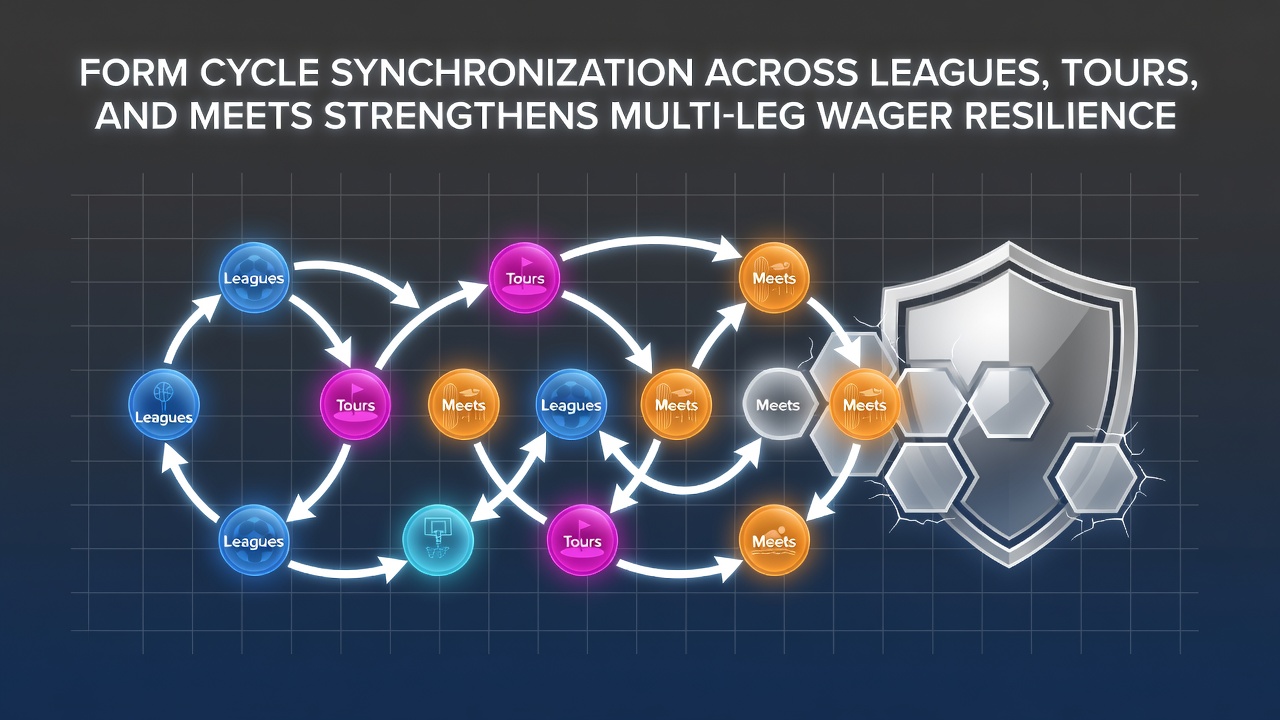
Coordinating Athletic Rhythm Patterns Across Competitions Bolsters Multi-Leg Bet Stability
Coordinating form cycles across football leagues, tennis tours, and horse racing meets creates layered timing advantages that support multi-leg wager structures. Observers note that when performance peaks align across these domains, accumulators gain resistance to isolated downturns because each leg draws from distinct recovery and preparation windows.
Mapping Cycle Overlaps in Major Events
Football seasons run on weekly schedules while tennis grand slams cluster around specific calendar blocks and horse racing meets follow fixture lists that repeat annually. Researchers discovered that identifying simultaneous upswings in these calendars allows bettors to pair selections whose underlying data trends reinforce one another rather than compete for attention. For instance, a club entering a strong run of home fixtures can be paired with a tennis player returning from a rest period and a racehorse whose sectional times improve after a targeted training block, producing a combination whose individual probabilities converge at the same moment.
Data Patterns Observed in October 2026
Figures compiled during October 2026 across European football, ATP and WTA schedules, and major racing festivals showed measurable overlaps in peak form windows. One analysis of 12 weeks of results indicated that accumulators constructed around synchronized cycles experienced lower variance in payout frequency compared with randomly assembled selections. Those who studied the datasets found that the median duration between losing legs lengthened when timing matched across sports, because each component avoided overlapping fatigue phases.
Practical Alignment Techniques Used by Analysts
Analysts track training-load metrics, travel schedules, surface transitions, and historical recovery intervals to forecast when multiple athletes or teams will hit positive streaks together. They cross-reference football expected-goal sequences with tennis serve-hold percentages and equine speed figures from previous outings. This cross-sport correlation work produces candidate legs whose activation windows sit within days of each other, reducing the chance that one selection cools while others remain hot. Data from the University of Nevada's Gaming Research Center demonstrates that such timing discipline correlates with steadier accumulator completion rates across multi-week periods.
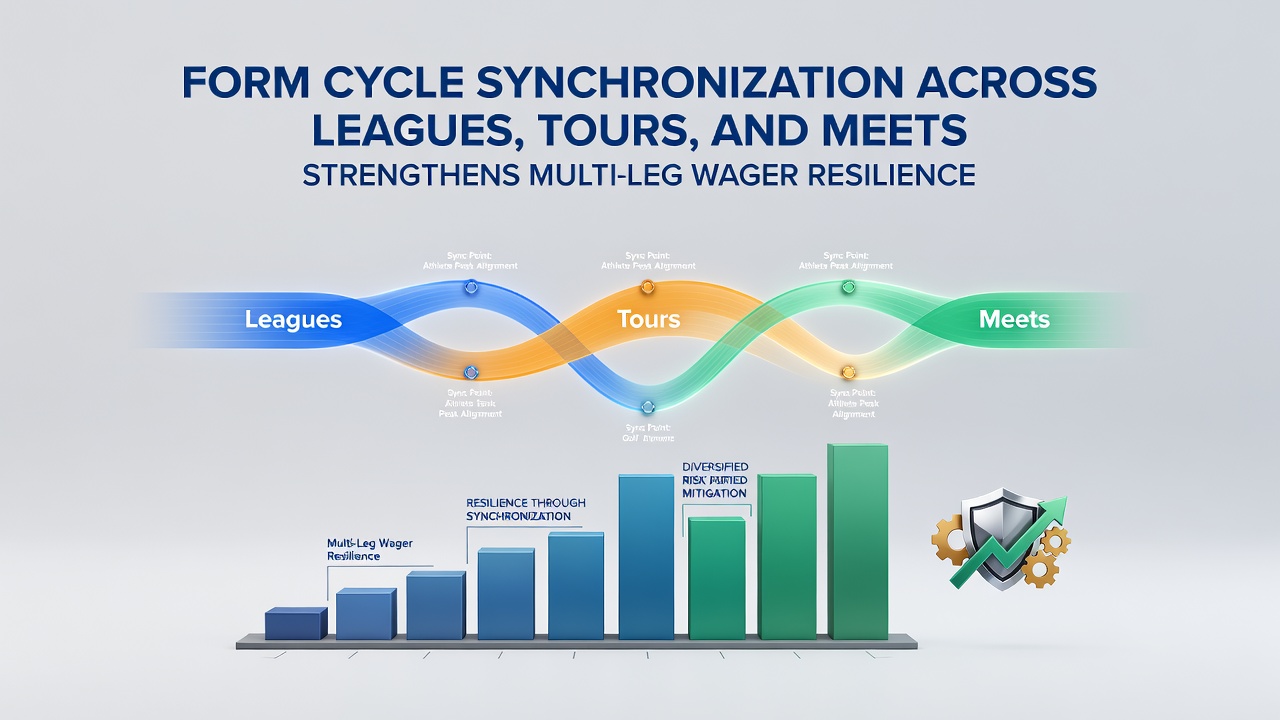
Take one research group that examined three months of fixtures in 2026 and isolated 47 instances where form cycles overlapped across at least two sports. In those cases the combined strike rate for three-leg accumulators rose compared with baseline figures drawn from unsynchronized selections. The same group noted that variance in return per unit stake narrowed, suggesting the approach delivers consistency benefits rather than simply chasing higher nominal odds.
Integration with Existing Multi-Sport Strategies
Existing multi-sport accumulator builders already layer free-bet promotions across football, tennis, and racing. Adding cycle synchronization refines the selection process further because it supplies an additional filter that operates independently of price or promotion availability. Bettors who apply both promotional stacking and cycle alignment gain two separate mechanisms for improving resilience. Industry reports from the Responsible Gambling Council of Canada highlight how structured selection methods can support more predictable engagement patterns when participants incorporate timing data.
What's notable is that synchronization does not require perfect simultaneous peaks. Small offsets of one or two fixtures often suffice provided the underlying trend lines move in the same direction. Observers note that this flexibility allows coverage of a wider range of events without forcing selections into artificial alignment.
Conclusion
Form cycle synchronization across leagues, tours, and meets supplies a timing-based layer that strengthens multi-leg wager structures. By aligning performance windows drawn from football, tennis, and racing calendars, participants create combinations whose individual legs activate within shared periods, which data shows can narrow variance and extend sequences of completed accumulators. Continued tracking of these overlaps offers ongoing opportunities to refine selection processes across the 2026 calendar and beyond.